Renovating a small bathroom can be one of the most rewarding home improvement projects, but it often comes with its fair share of challenges. The tight space means every decision needs to be carefully thought out, from layout to material choices. Add to that the complexities of existing plumbing or a partial renovation where some elements need to be kept, and you’ve got a project that requires some serious planning.
In this blog post, I’ll walk you through a recent small bathroom renovation that posed some unique challenges, particularly with shallow plumbing, and how we managed to overcome them to create a functional, modern, and refreshed space.
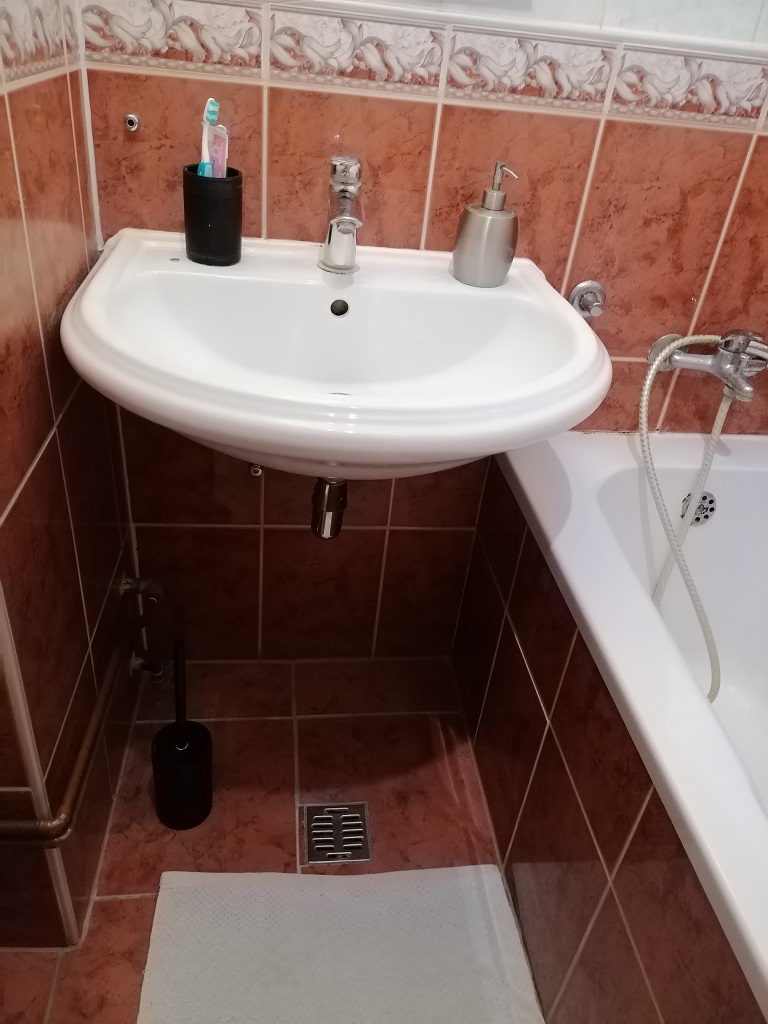
This renovation involved a 20-year-old bathroom in need of a facelift. The client wanted to keep a bathtub, but she broke her hip recently and we had to change the plans. We aimed for a partial renovation, focusing on updating key elements like the shower, vanity, and flooring, while keeping the rest intact to save on costs and time.
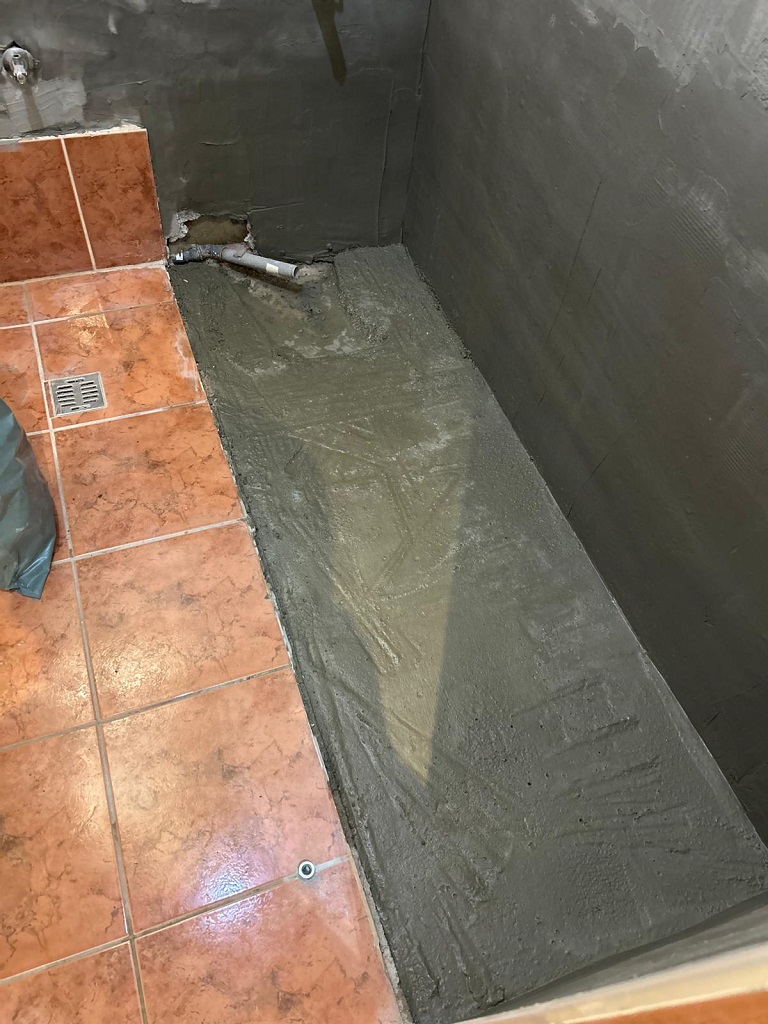
One of the most significant challenges we encountered was the shallow plumbing, which limited our ability to install new fixtures in the way we initially planned. In older buildings, it’s common to find plumbing systems that don’t match current standards, and this can greatly impact design choices.
The shallow plumbing became a big concern when we planned to install a walk-in shower for easier (and safer) access. These types of modern fixtures often require more depth behind the walls or in the floor, which meant we needed to find alternative solutions to make it work. Instead of a tiled floor-level shower, we opted for a combination with a shower tray. There is enough room to enter the shower and the tiled corner can be used to place a laundry basket if the owner decides to do so. In the case she needs a walker at home, it can be placed in the corner while she’s taking the shower.
The old washbasin was too large for a small bathroom and it was mounted to high for a disabled person, so we exchanged it for a smaller one and lowered it for about 5 cm. Adding new rose gold tap was another touch. It cost slightly more than the standard chrome tap but it looks so much better and it makes the transition between old and new tiles seamless.
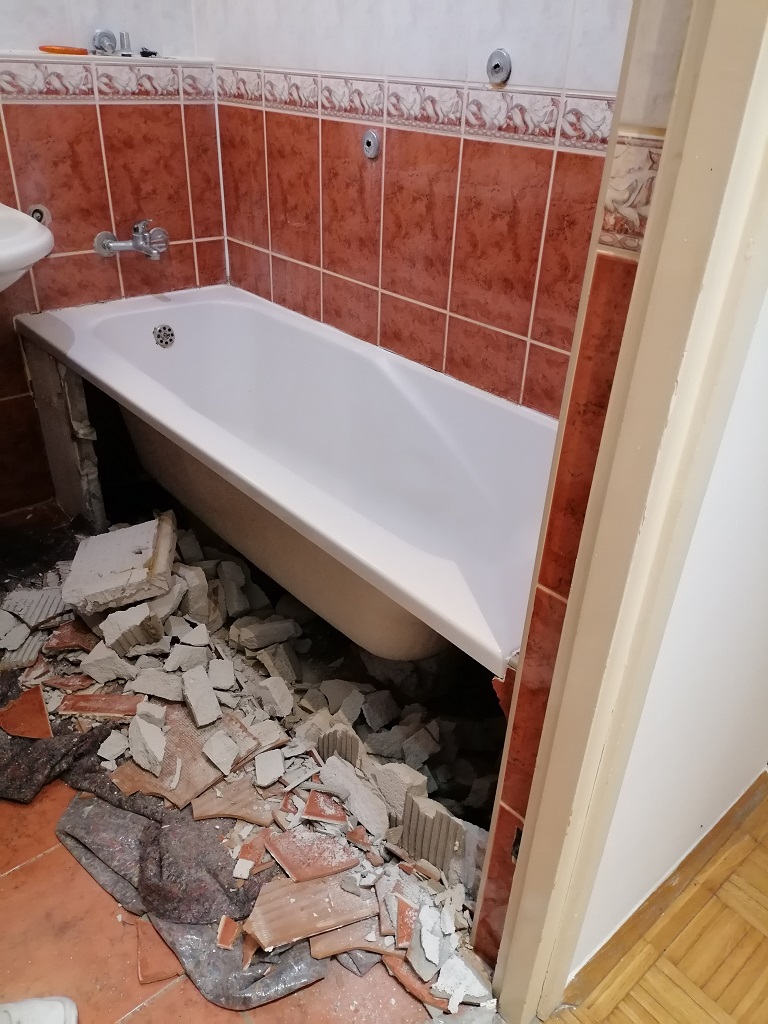
The client wanted to keep the original wall tiles, which were in good condition but a bit outdated. So the builder had to be extra careful when removing the bathtub and surrounding tiles. It’s a good idea to keep some old tiles just in case, but with 20-year-old design there were none left. Instead of just filling the gap where old bathtub stood – as some would do, we exchanged the tiles above the tub and on the both sides. This way the new shower looks more defined. It required some extra effort, but the end result is more aesthetically pleasing. And without the shower curtain this small bathroom looks bigger and more open.
Mixing old elements with new ones brings its own set of complexities, particularly when doing partial renovation. By adding new tiles and taps we managed to update the bathroom and adjust it for the client’s current needs. While aesthetics are important, functionality should always come first in bathroom renovations. Choosing fixtures and designs that fit within the limitations of the space is essential for ensuring everything works as it should.
Whether you’re working with a small budget or an older home, remember that thoughtful design choices can make all the difference. If you’re considering your own bathroom renovation and facing challenges like these, don’t hesitate to seek professional advice to help navigate the process smoothly. The results will be well worth the effort.

 D S design studio
Komentiraj