Wall art isn’t just an afterthought – it’s a statement. The right piece of art can set the tone for a room, create a focal point, and even influence the way the space makes you feel. For instance, abstract art can introduce a sense of modernity and movement, while a classic landscape painting can evoke calmness and tradition. When choosing art for your walls, consider what mood you want to create and how the piece will interact with the room’s existing elements.
But where to begin? Start by considering the colour scheme of your room. If your space features neutral tones, bold and vibrant art can add a pop of colour and become a striking focal point. Conversely, if your room is already full of strong colours, opt for more subdued or monochromatic pieces to balance the visual intensity.
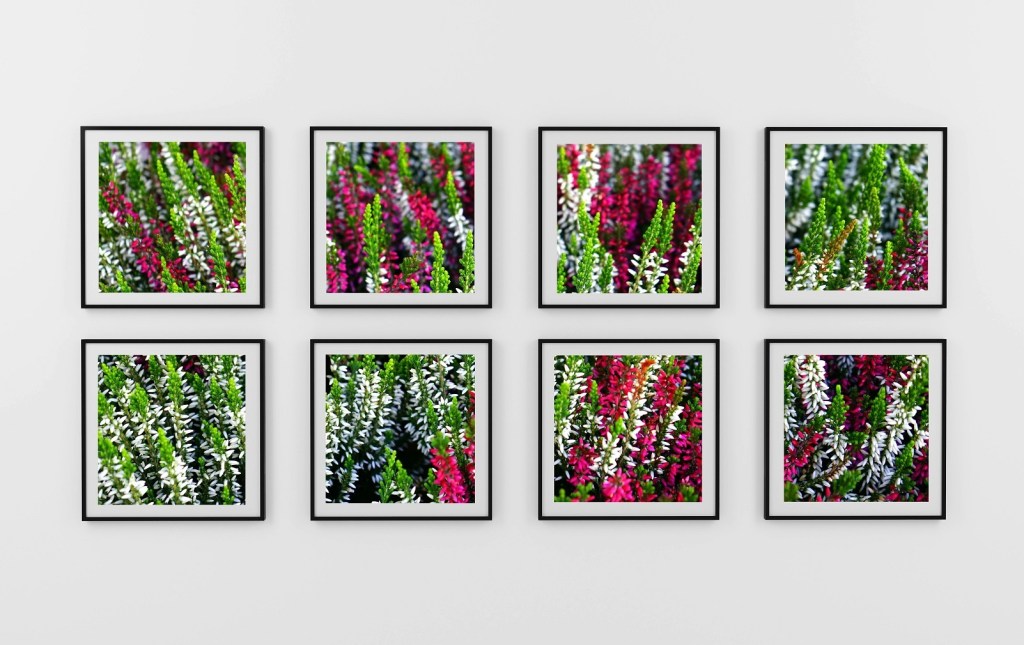
Another key factor is the scale of the artwork. Large pieces can make a dramatic statement, especially when hung above significant furniture pieces like sofas or beds. Smaller artworks, when grouped together, can create an engaging gallery wall that adds depth and character.
Once you’ve chosen your artwork, the next step is to figure out where and how to hang it. The placement of art on your walls can significantly impact the flow and perception of the space.
A common mistake is hanging art too high. The general rule of thumb is to position the centre of the artwork at eye level, which is roughly 150 cm from the floor. In rooms where you’re mostly sitting, such as dining rooms or living rooms, consider lowering the art slightly to match the seated eye level.
Consider the space. In the living room, for example, art should be proportionate to the furniture it’s above. If you’re hanging a piece over a sofa, it should be about two-thirds the width of the sofa and spaced about 15-30 cm above it. In hallways or narrower spaces, a series of smaller pieces or a continuous gallery wall can create a dynamic, cohesive look without overwhelming the area.
Beyond traditional framed art, consider other forms of wall decor to add texture and dimension to your space. Sculptural pieces, wall-mounted plants, and textile hangings can all contribute to a more layered and interesting design. When combining different elements, aim for a balanced composition. You can achieve this by unifying them with a common theme, color palette, or even frame style.
As with overall interior design, your wall art and decor should reflect your personality and tell your story. Incorporating personal touches – such as photographs, memorabilia from travels, or heirloom pieces – can make your space feel uniquely yours. A wall doesn’t have to be just a backdrop; it can be a narrative of your life, interests, and experiences.
If you already have your walls covered with several pieces of artwork, consider changing the layout. The easiest way to do it is using another large surface in the room – the floor. Take everything down and rearrange it on the floor. When you’re happy with the result, you can put it back again. You don’t have to drill new holes for nails, there are adhesive nails available.
There are many suggestions on how to combine different sizes of frames, but you do you. Don’t hang them too high or too close and it will be fine.
 D S design studio
Komentiraj